When your job is outdoors, you can’t be afraid of bugs and critters. It's just a part of the job. We’re out there, they’re out there, and we’d both prefer if the other left us alone! Although I do my best to leave nature be, I do try to take photographs of them at job sites when I can.
Here are a few of nature’s wonders that I spotted on the job this summer…
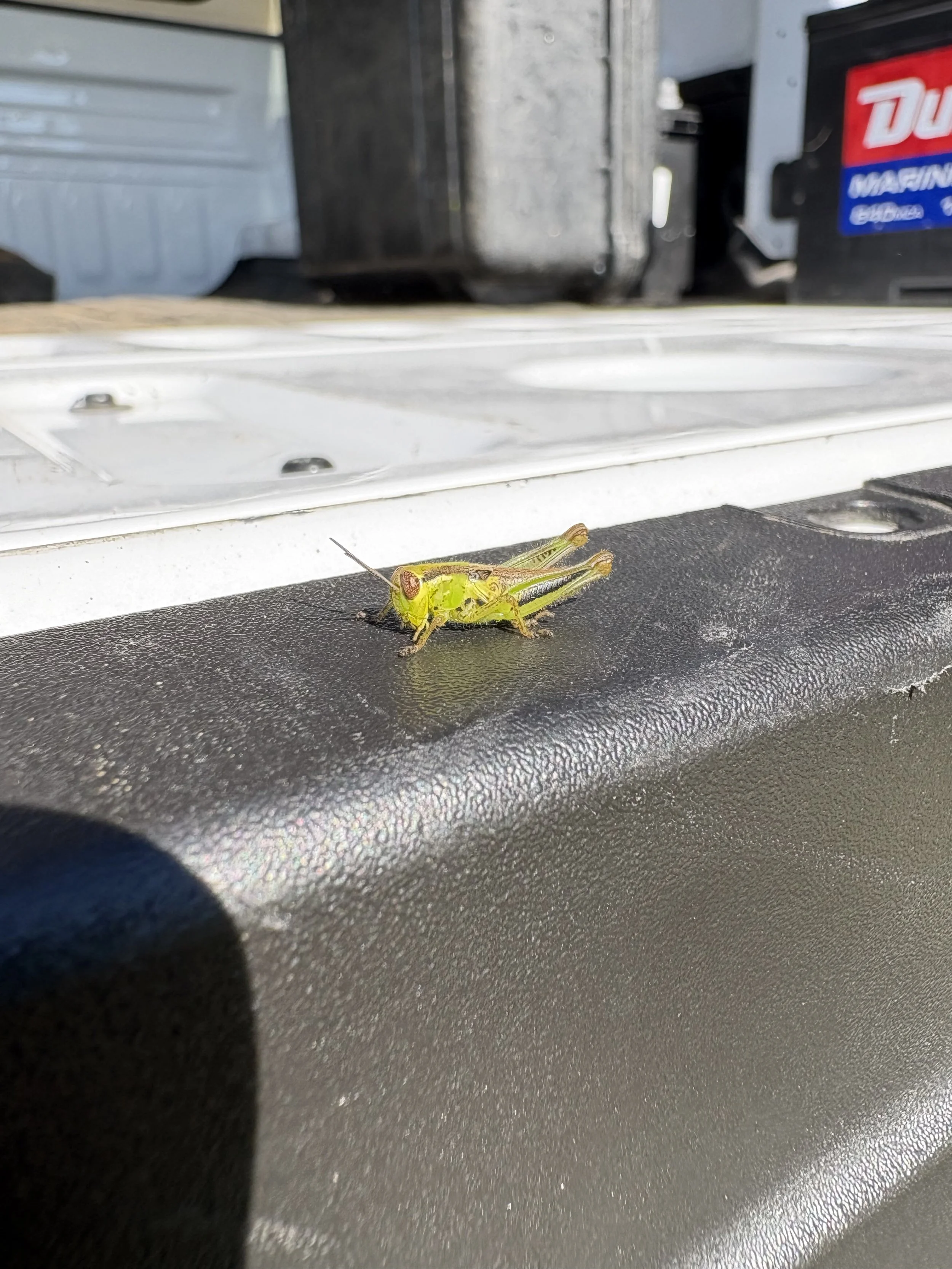
I’m pretty sure this is a Two-Striped Grasshopper, a species belonging to the Melanoplinae subfamily of the Acrididae family of grasshoppers.
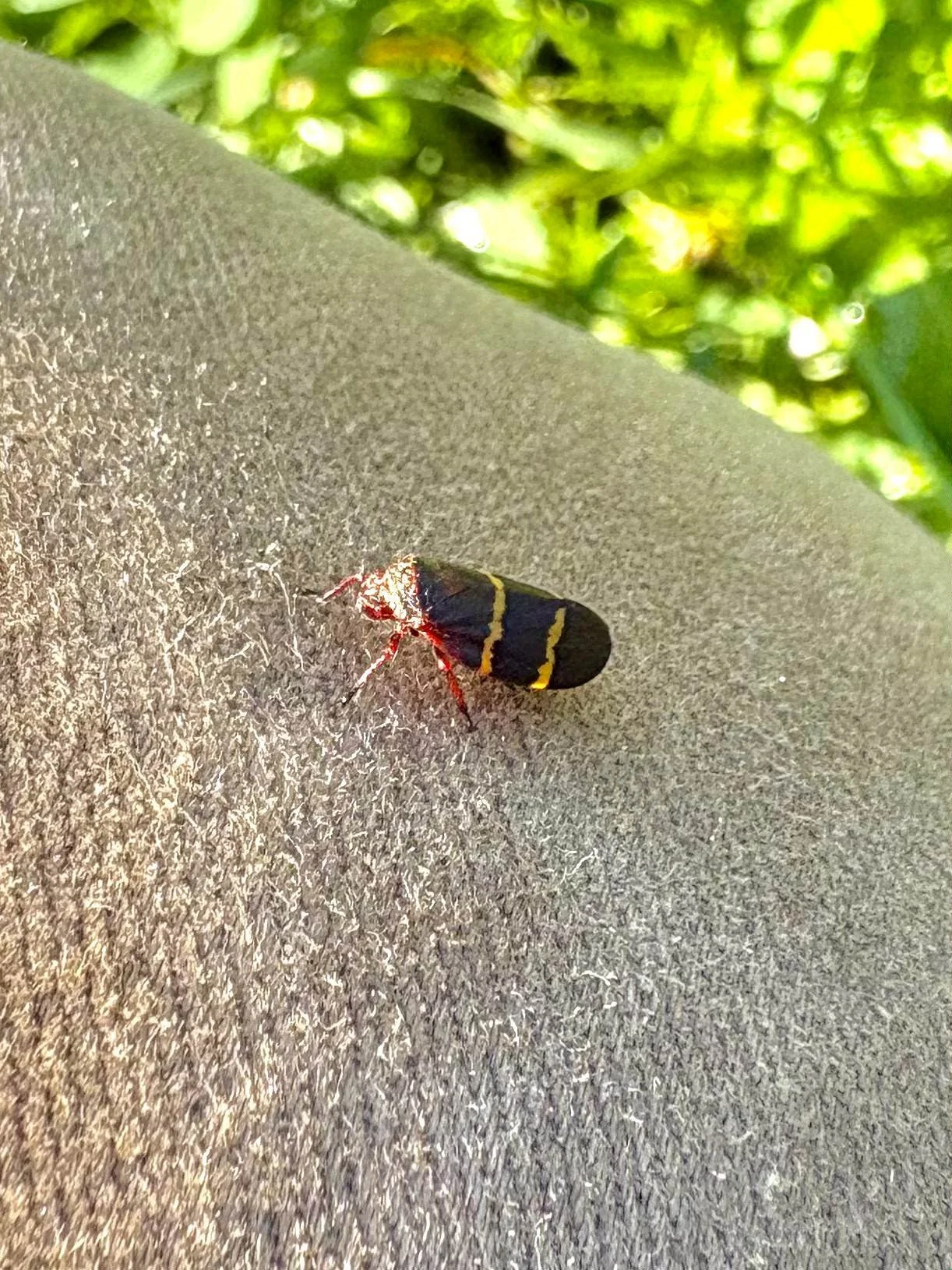
I found this Two-lined Spittlebug on my pants. Say cheese!
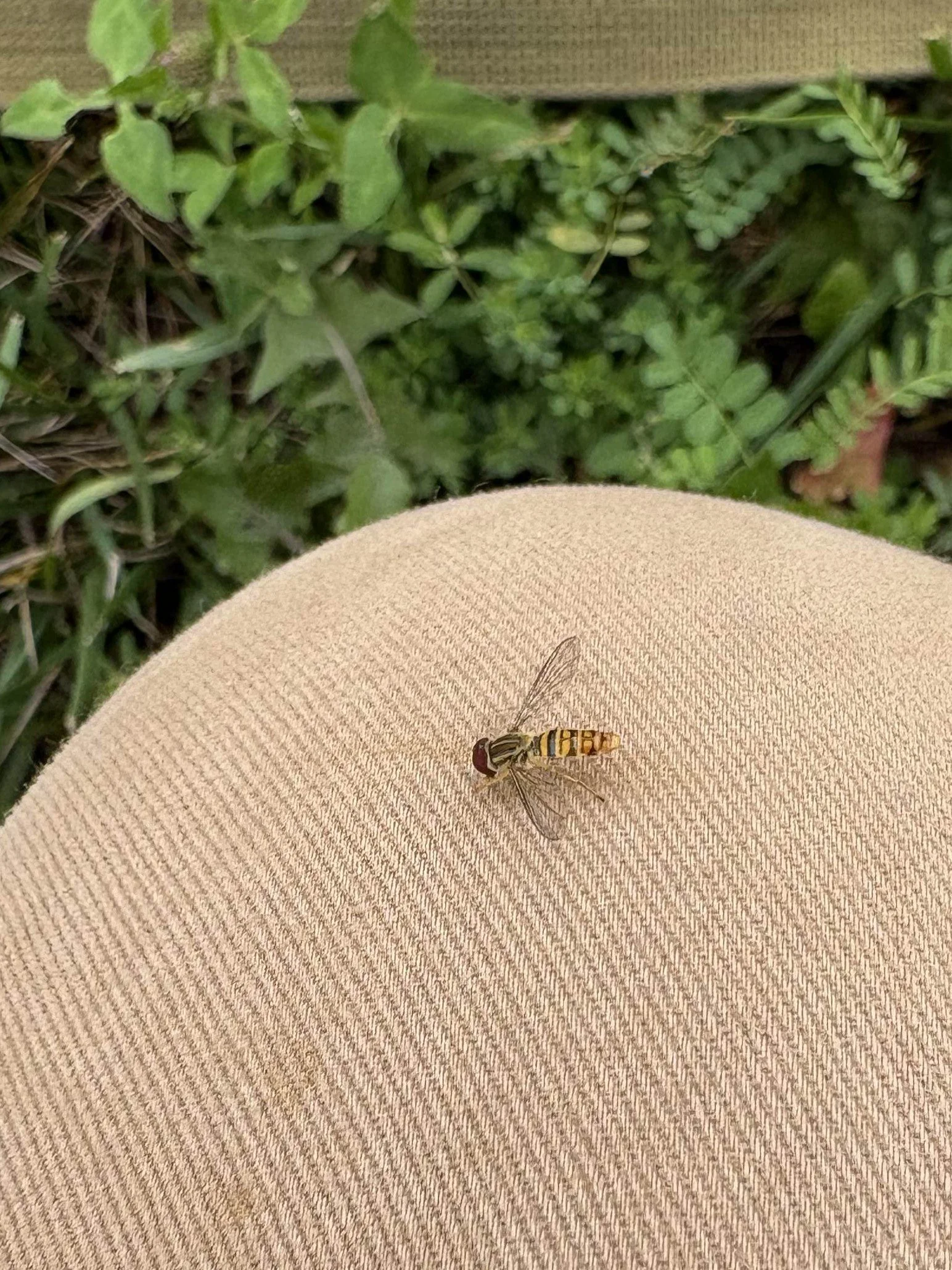
This one was hard to identify. I know it’s a hoverfly, but there are roughly 6,000 different species of hoverfly and I’m slightly too busy to figure out which one this is. Also on my pants!
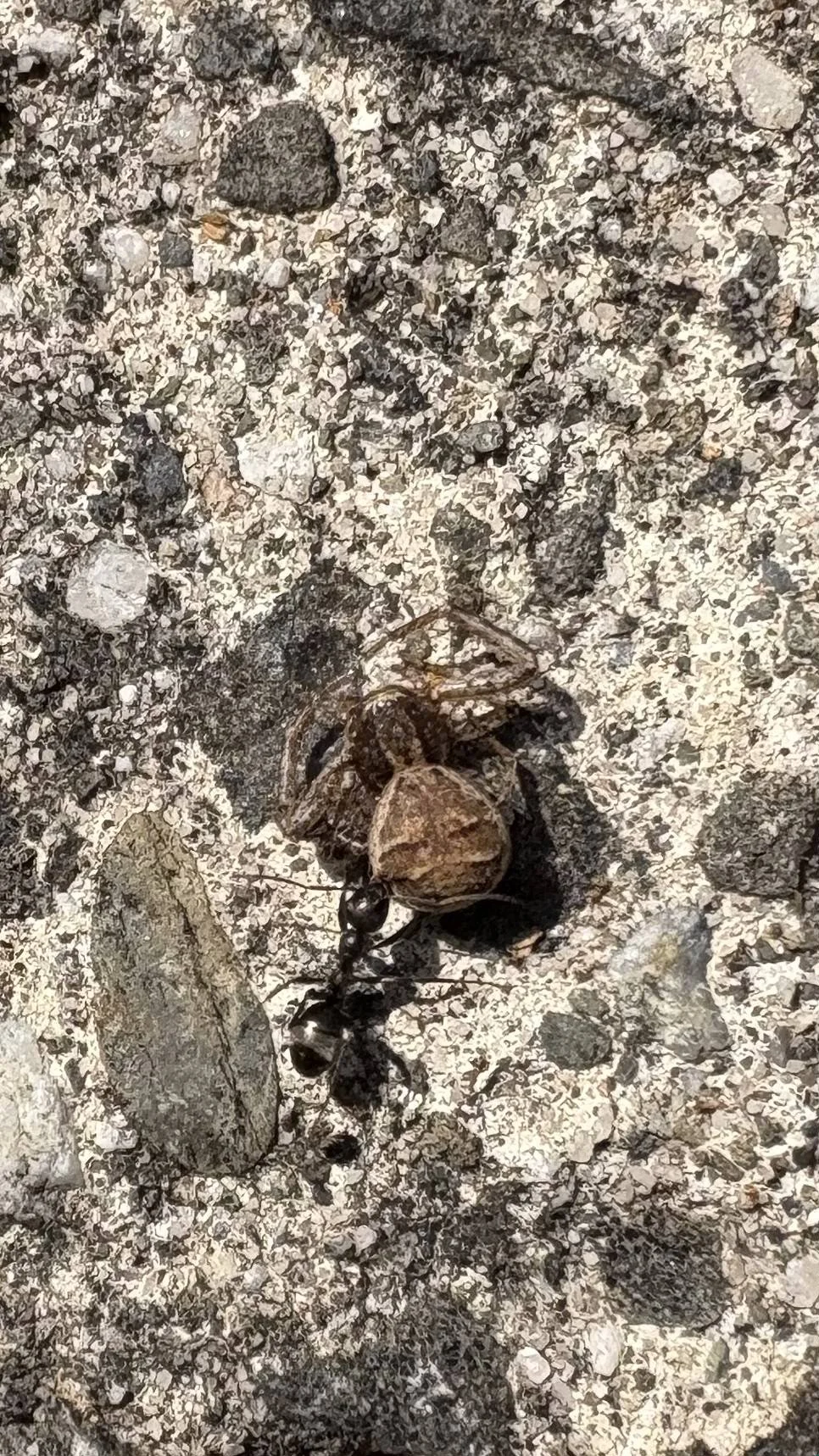
This carpenter ant found quite the tasty snack in this deceased wolf spider.
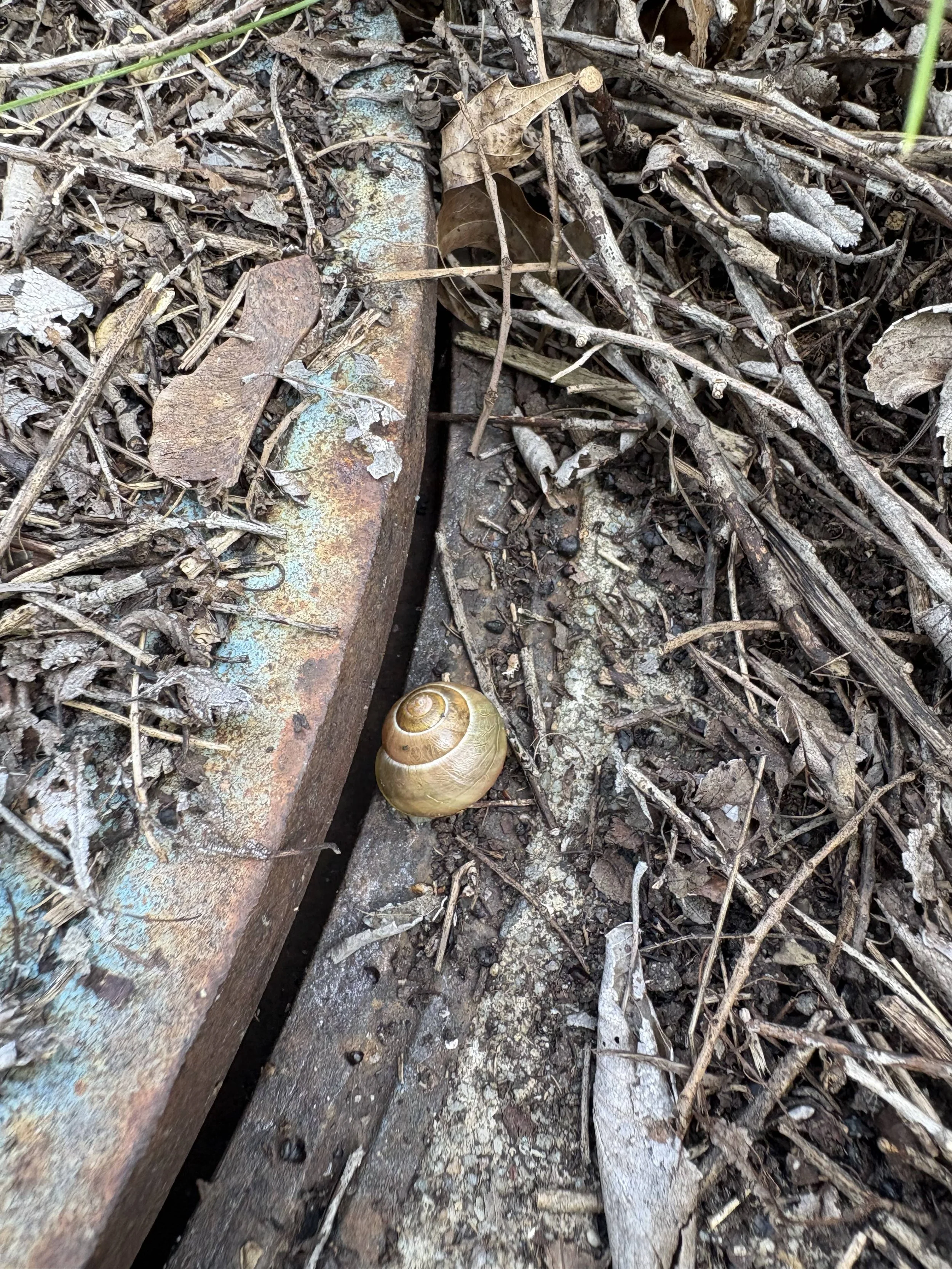
This was difficult to identify as well, but I believe it is a Grove Snail (Cepaea nemoralis). It was resting under some leaf litter at the edge of a manhole.
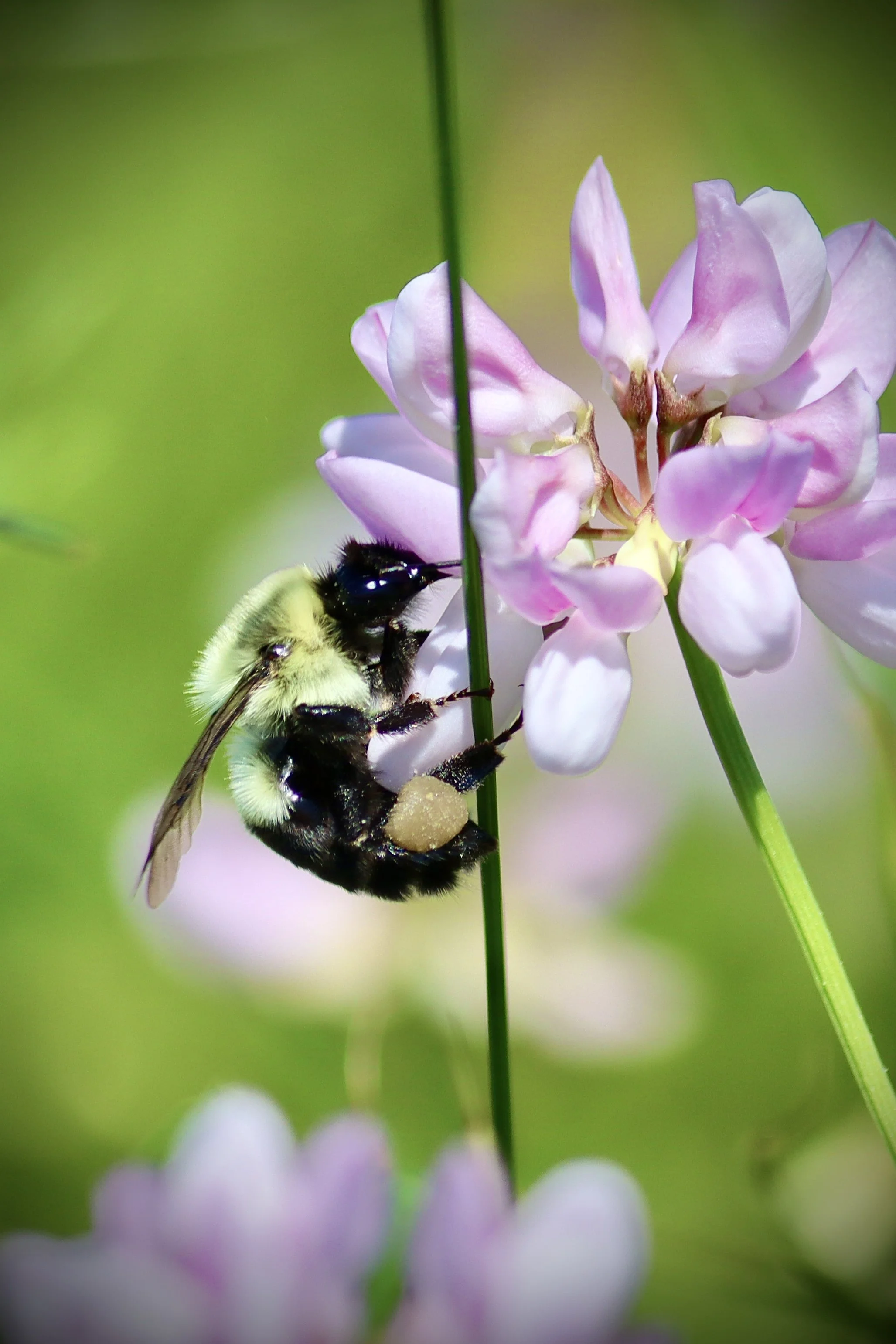
This is a Common Eastern Bumble Bee. It had been out collecting pollen, as seen on its leg. Sometimes I have my Canon and telephoto lens with me on-site and can grab it if there’s time at the end of the day. Try to guess which of these photos were taken with the real camera and not just my phone!
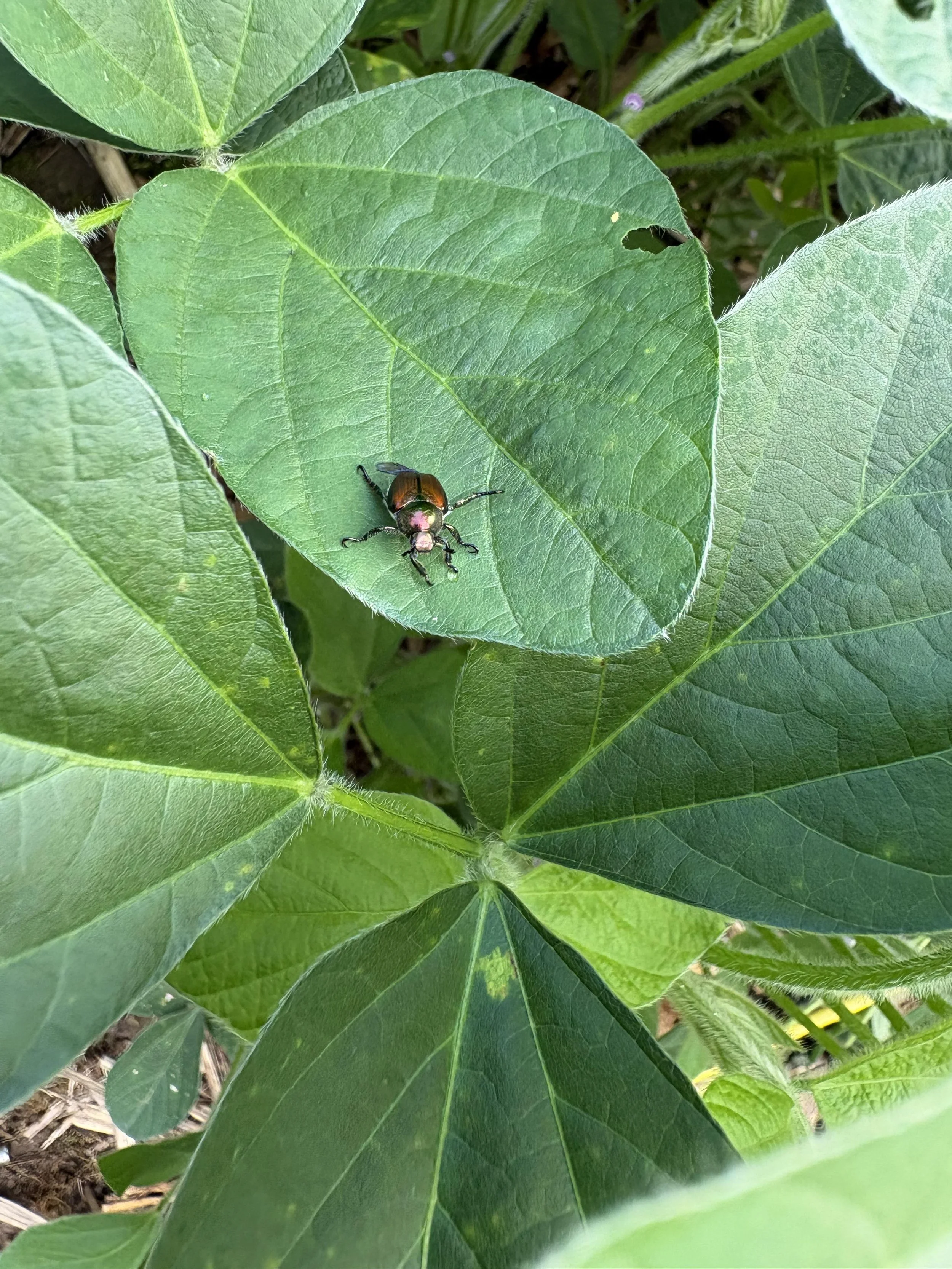
This is a Japanese Beetle (konnichiwa) - a member of the Scarab family. A long way from home!
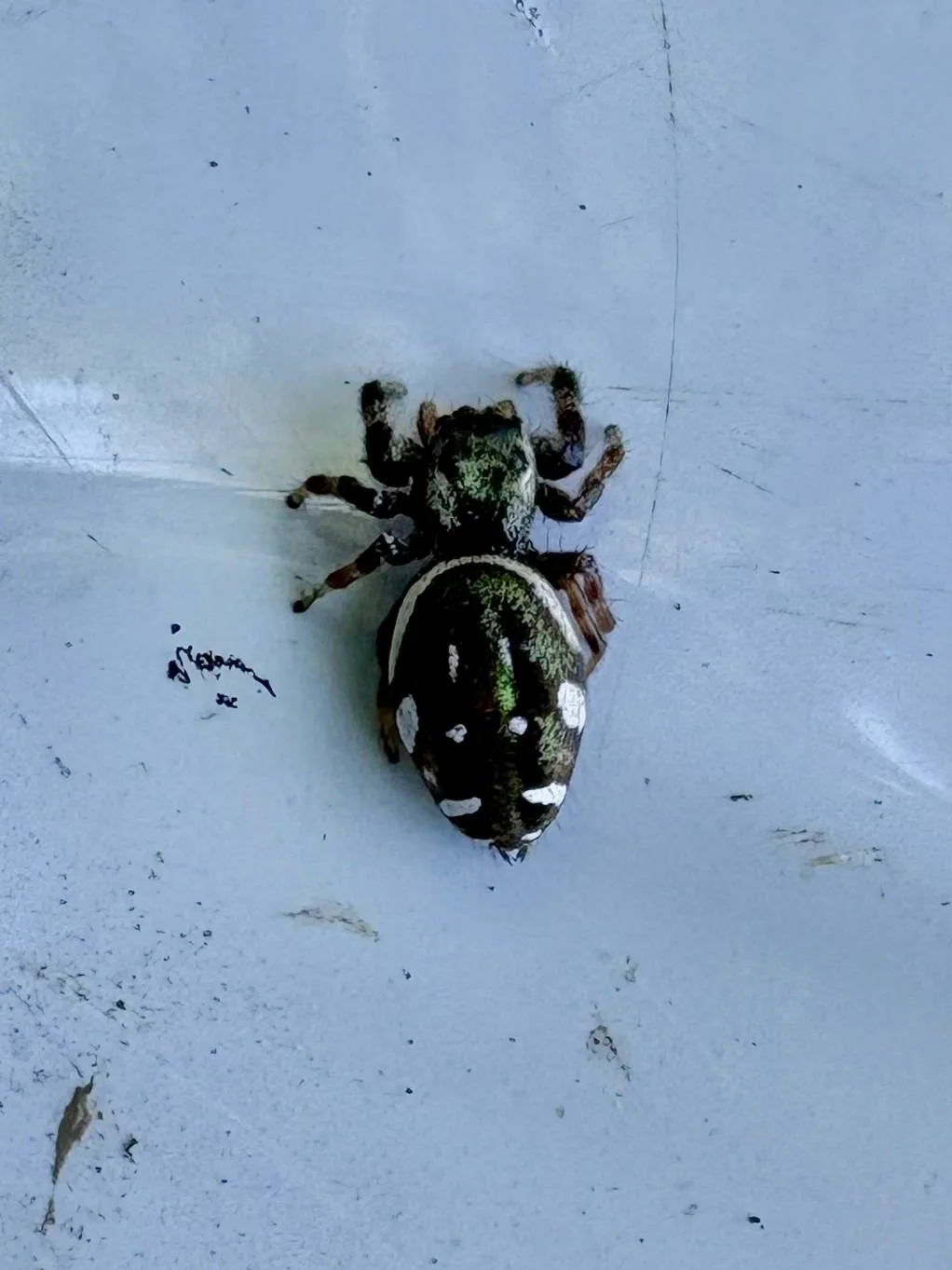
This is the Emerald Jumping Spider. It has a venomous bite that can paralyze other animals much larger in size, even birds! It bites the prey, maintains a safe distance until the paralyzing venom takes effect, then returns to the victim to start feeding. It’s as creepy as it is impressive. Thankfully the danger to humans is minimal, causing itchiness and inflammation at the site of the bite. Top of the food chain!
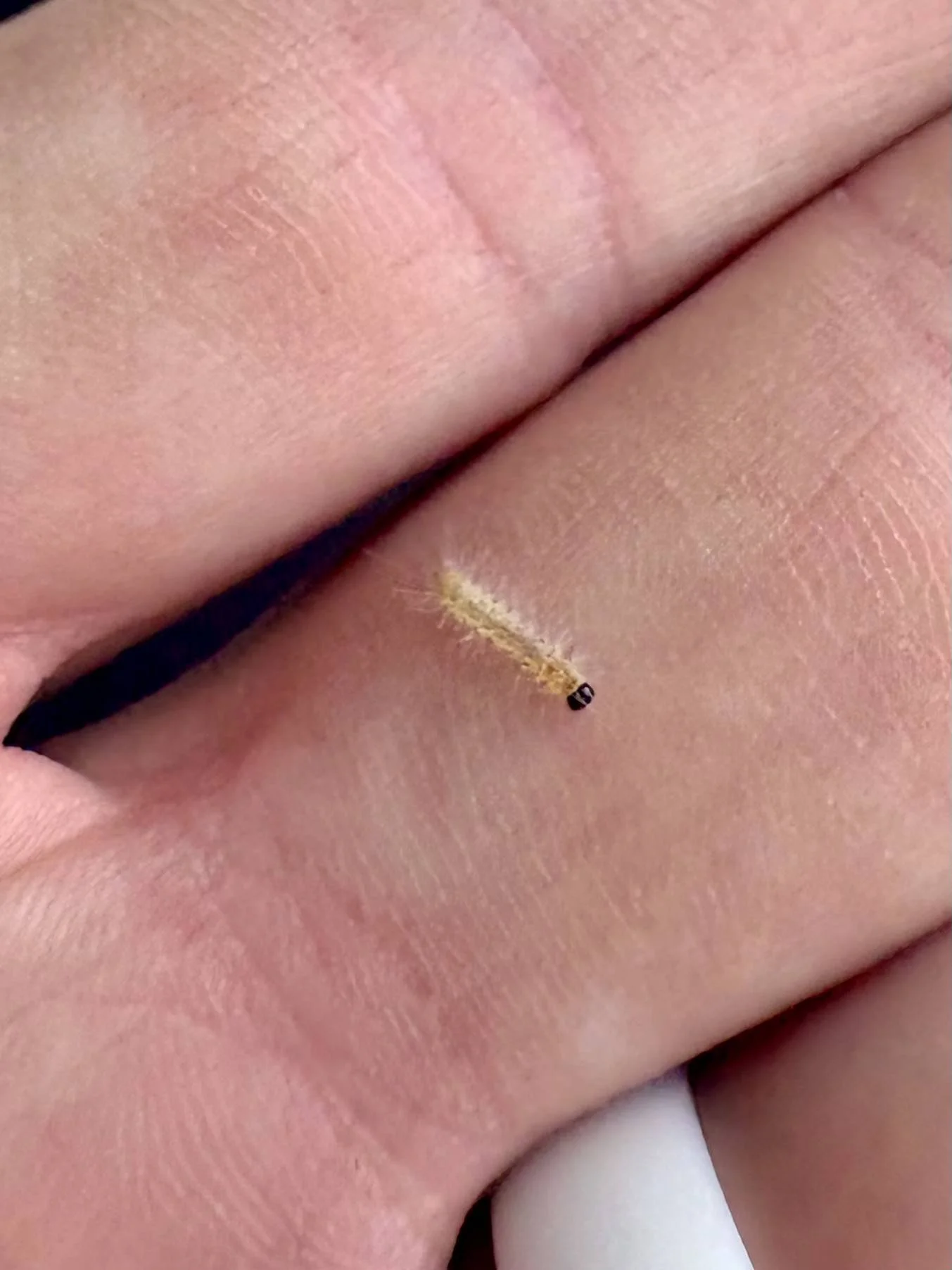
The Fall Webworm is a beautiful white moth. This one is in the larval stage, which is very tiny. Fingers for scale.
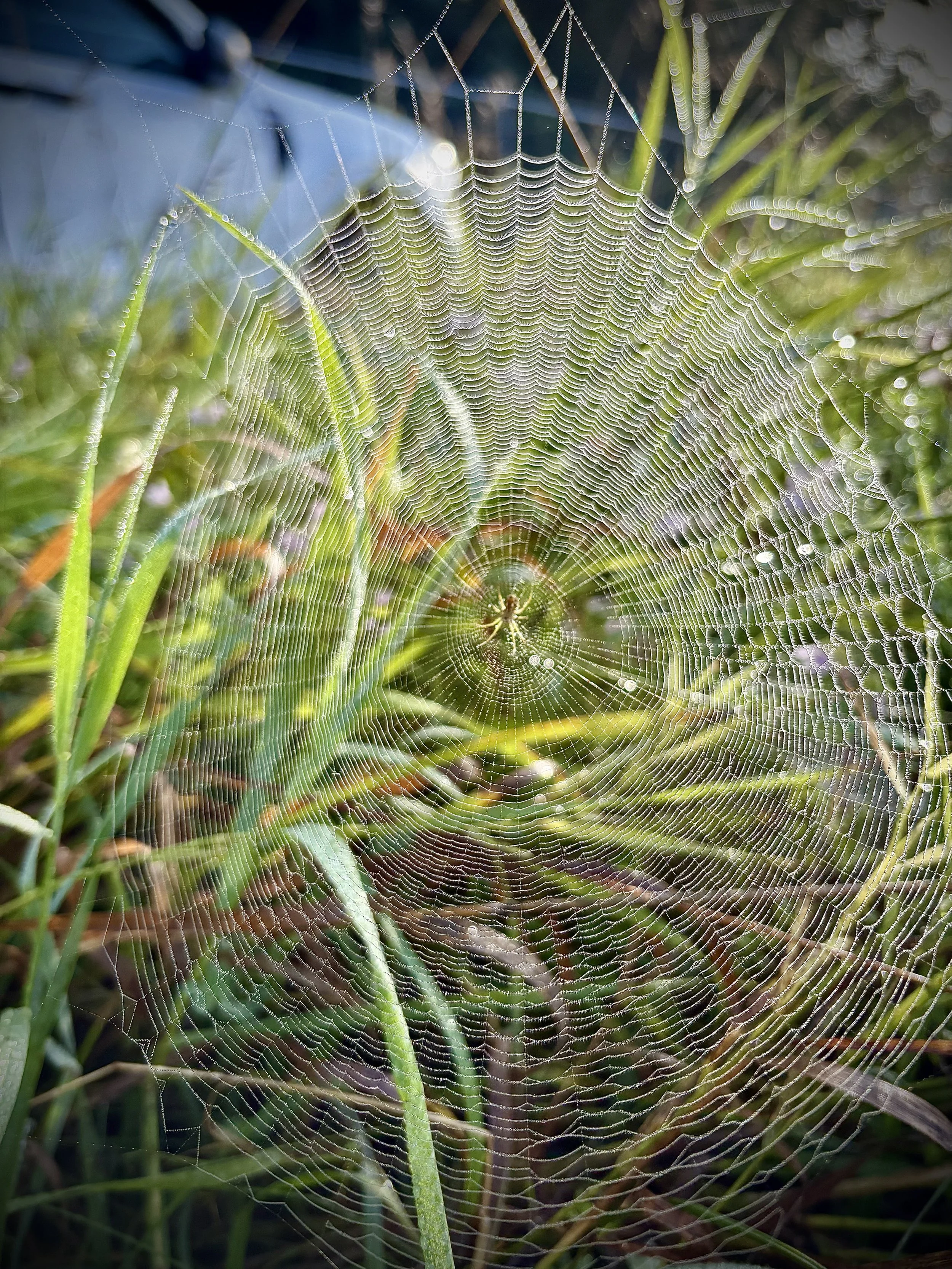
I think this is a type of Orb Weaver. I wasn’t able to get a clear enough photo of the spider itself to properly identify it. There were a great many of these in this field during ERI data collection.
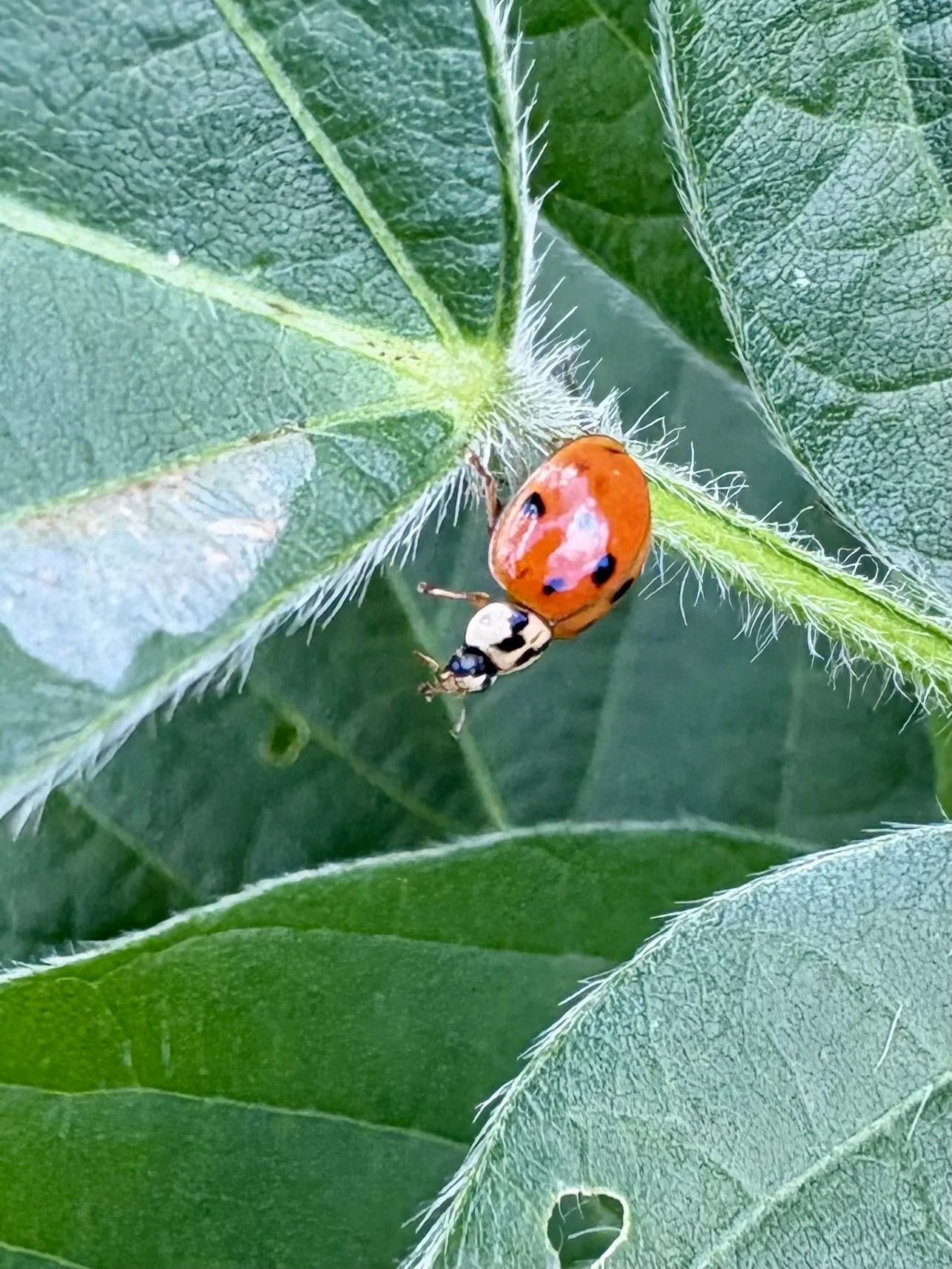
This is a Harlequin - a type of lady beetle.
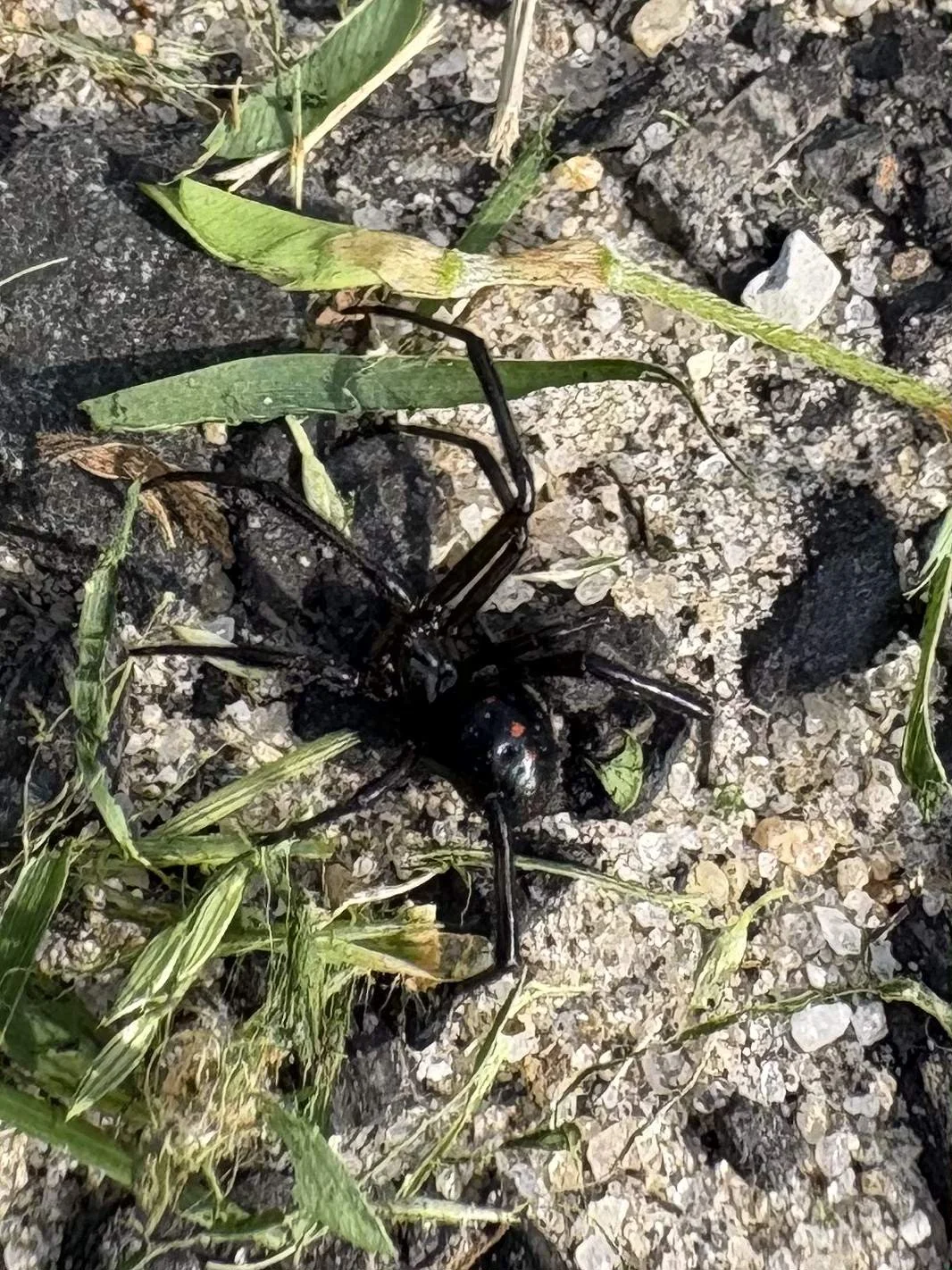
You probably know what this is. I’ve seen it on the job more times than I’d like to admit. This is the last spider in the series I promise!
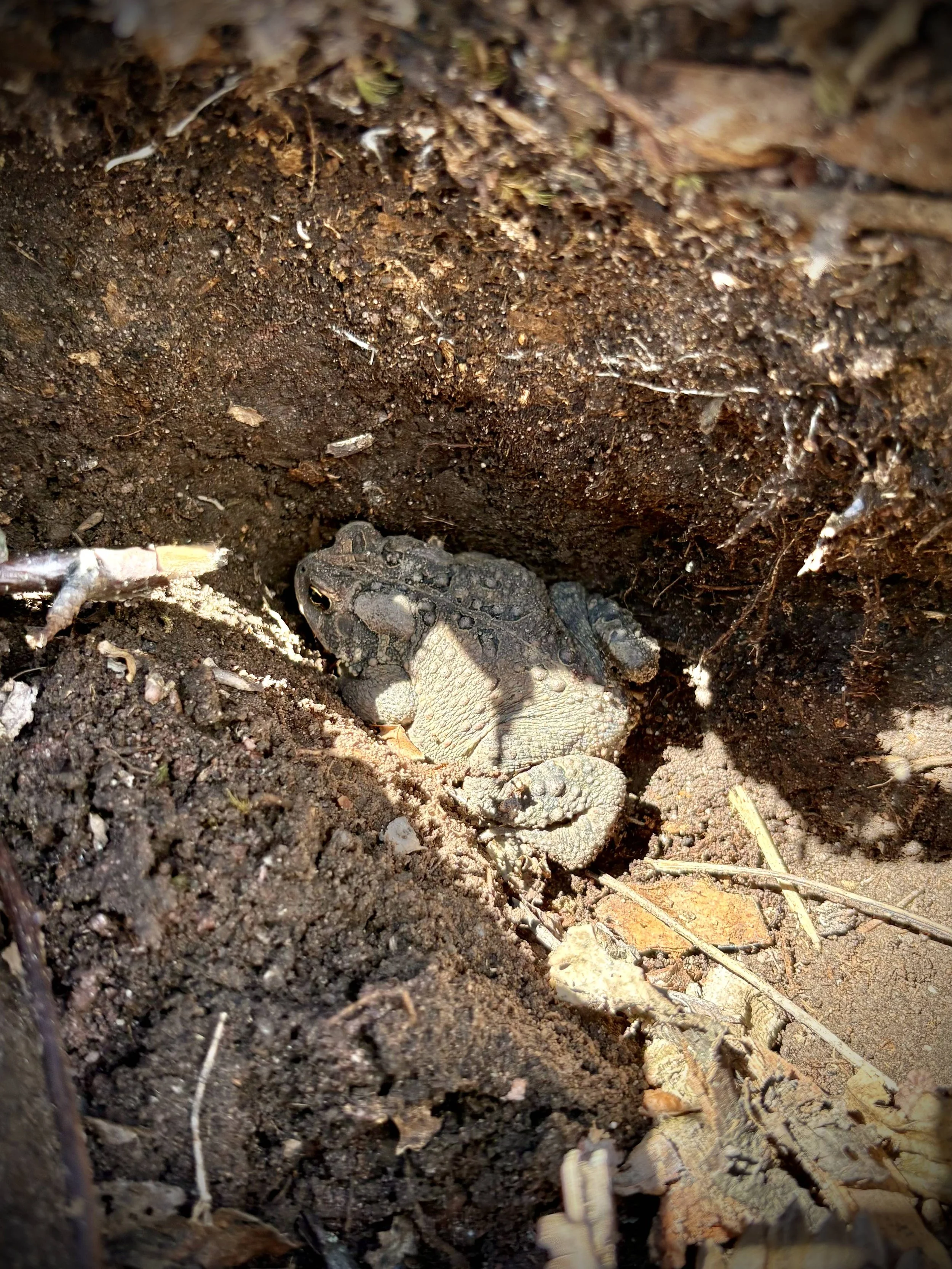
Don’t like spiders? How about an Eastern American Toad. My coworkers alerted me to this one, saying that they heard a squeaking noise and thought it was a mouse. They cleared away some ground cover and there it was!
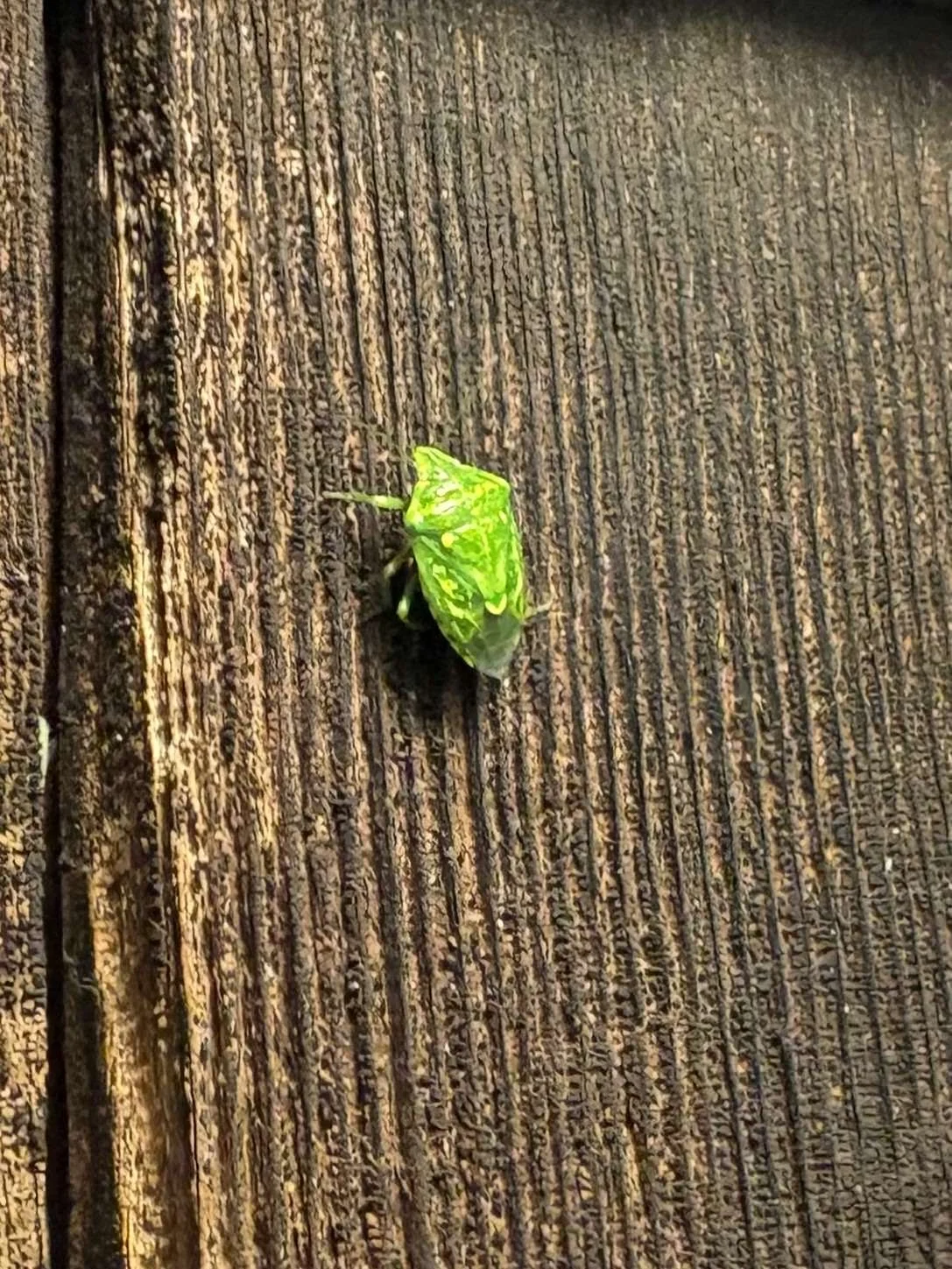
This is a Juniper Stink Bug. The stink bug family is known for their pungent odor when crushed.
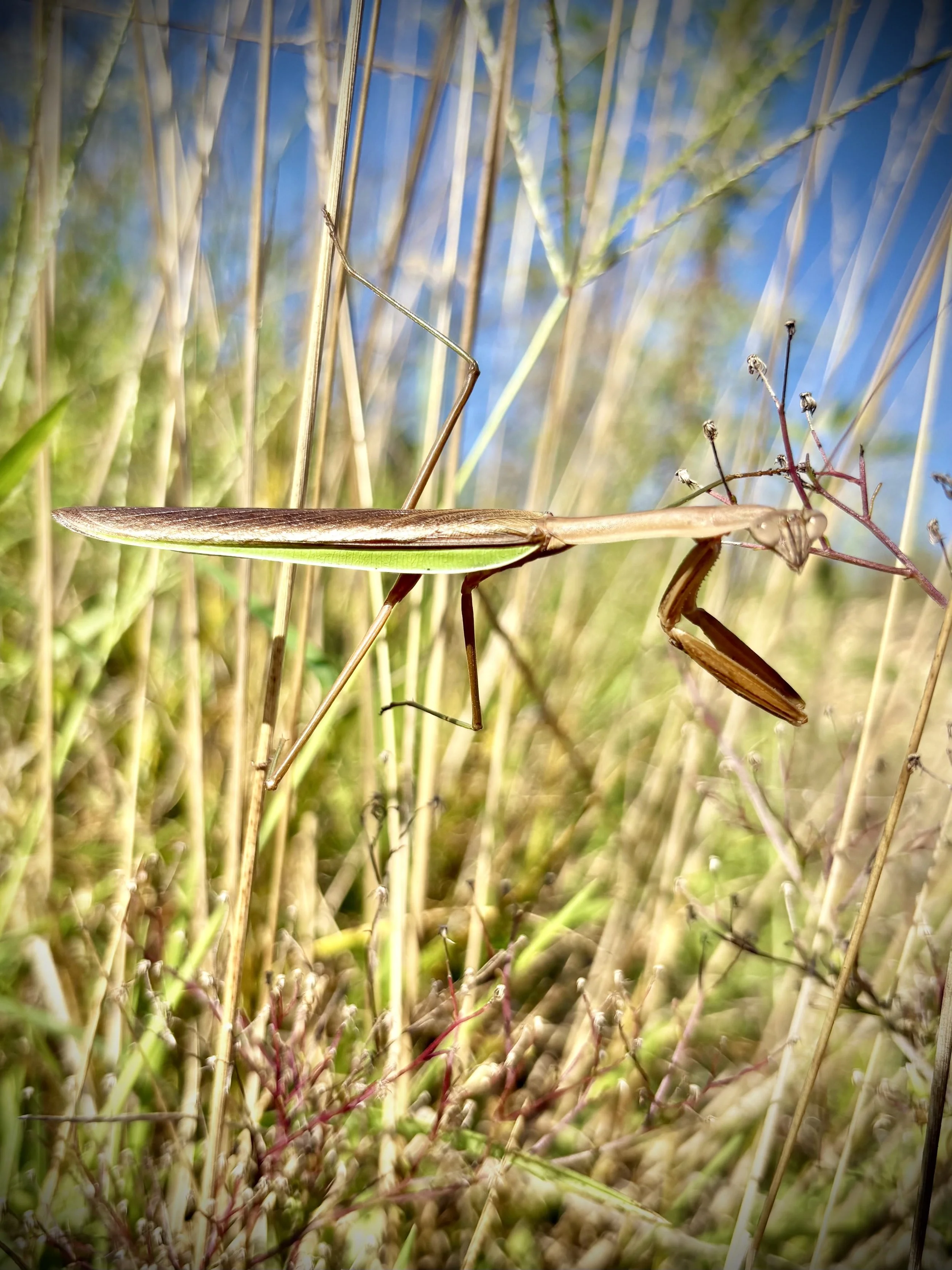
Many would call this a praying mantis, which is true. But praying mantis is a general term covering the Mantis order of over 2,400 species. This particular species is the Chinese Mantis and is the largest mantis in the eastern US. It is considered invasive and was accidentally introduced to our region in 1896 at a nursery in Philadelphia, PA.
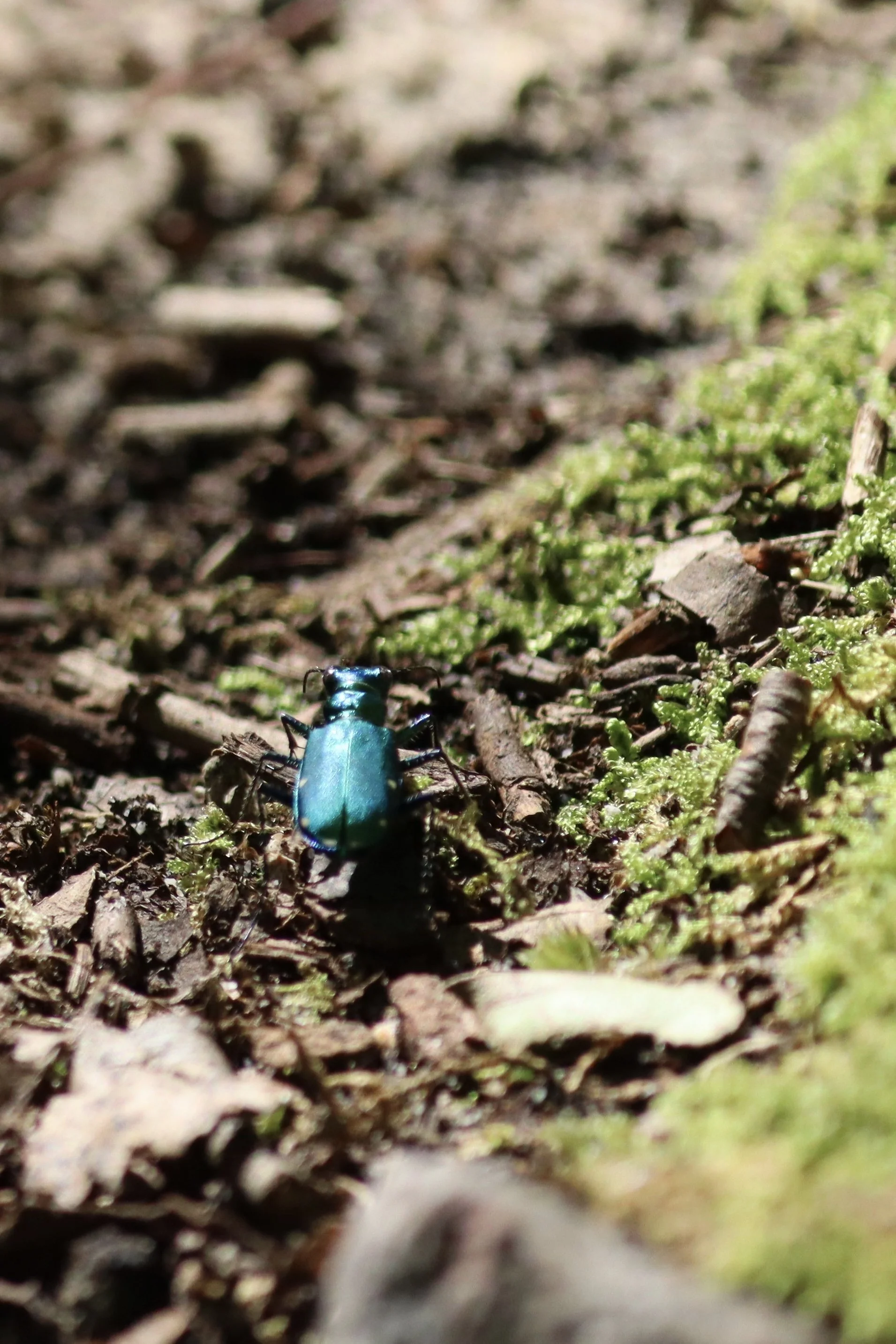
The Six-spotted Tiger Beetle. The six white spots are not present in every individual, so I consider myself lucky with this photo.
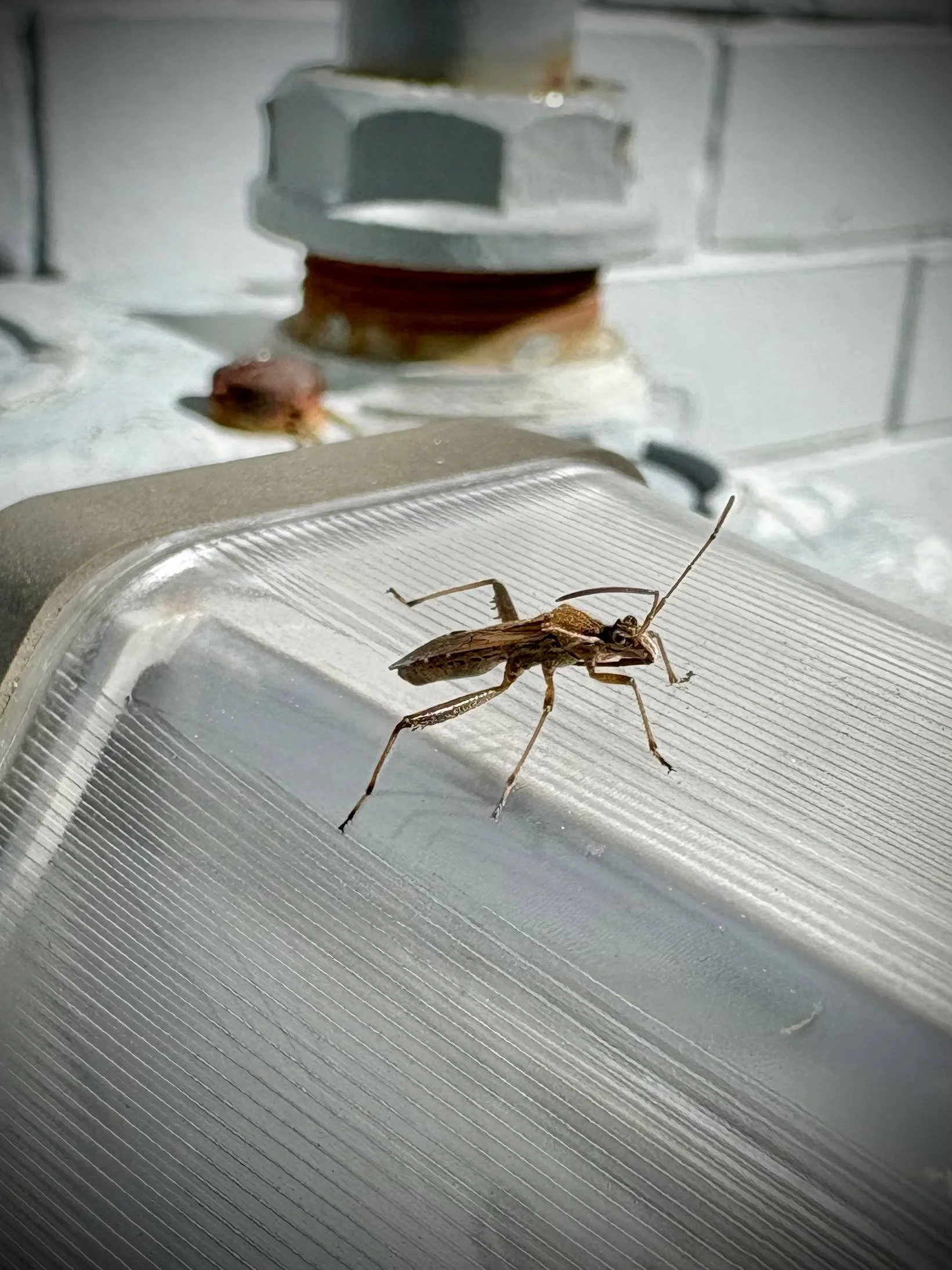
This is a White-margined Alydid, a species of broad-headed bug. Here it is on a gas meter outside someone’s home.
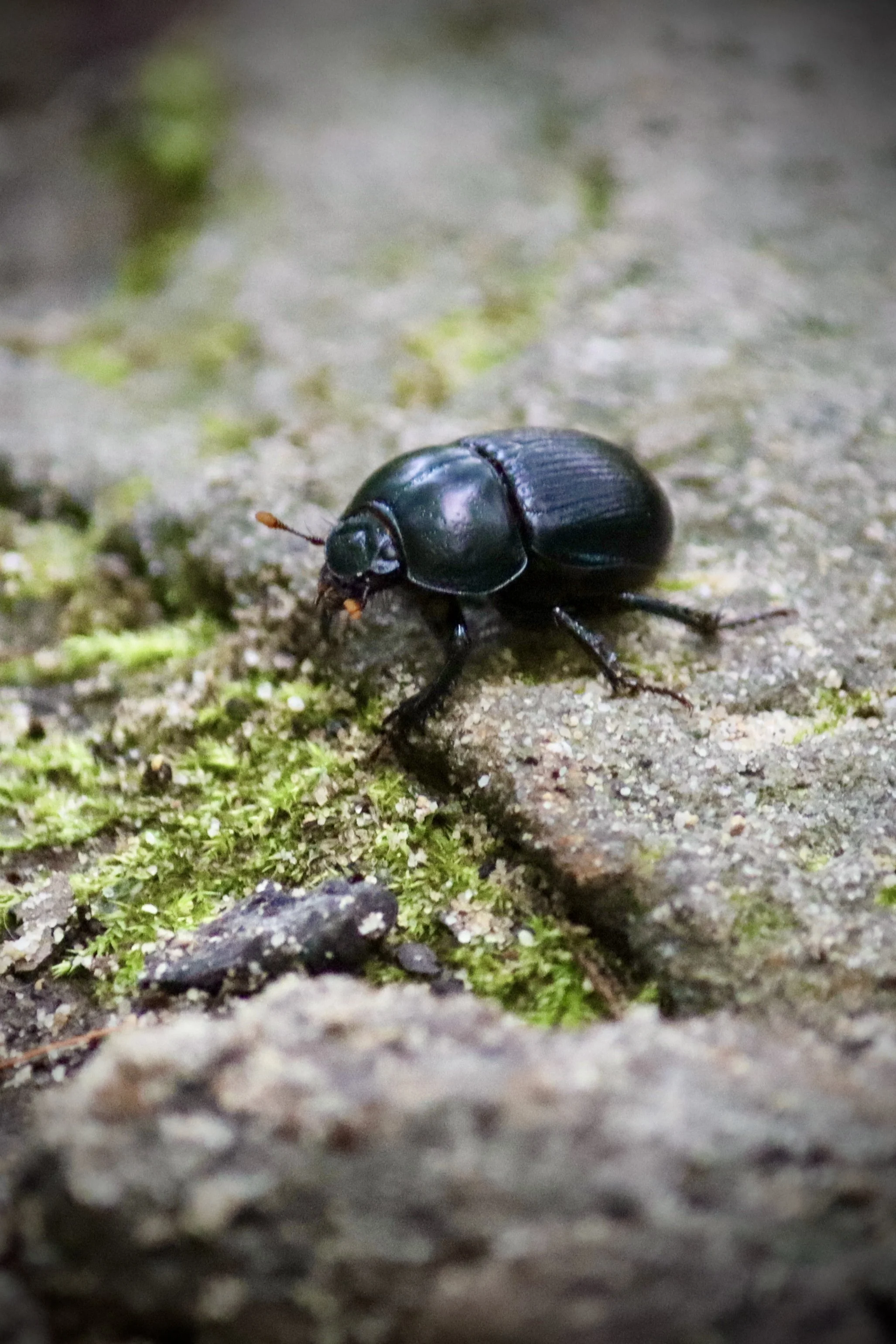
This beetle is closely related to dung beetles and is named the Splendid Earth Boring Beetle. A splendid finish to the series.
I know what you’re thinking - no ticks??? They are everywhere and I have had several bites this summer. Those little spawns of Satan don’t deserve a photo! Well, maybe I’ll take a picture of one next time. Be on the lookout!